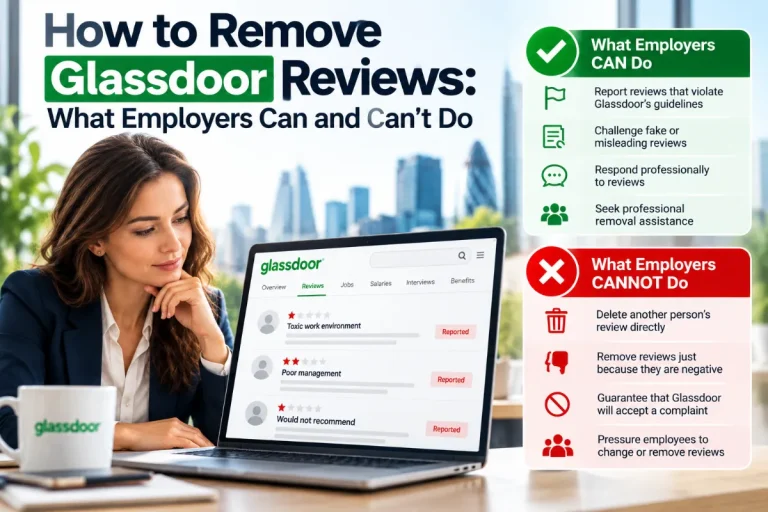
How to Remove Glassdoor Reviews: What Employers Can and Can’t Do (2026-2027 Guide)
What employers can and can’t do about Glassdoor reviews, which ones can be removed, and the fastest way to get them taken down.
Read the guide →Remove Google reviews from your business page in just 96 hours. No matter where you are in the world – drop the review link below and we'll permanently remove Google reviews that damage your rating.
Free eligibility check — no payment until we confirm removal is possible.
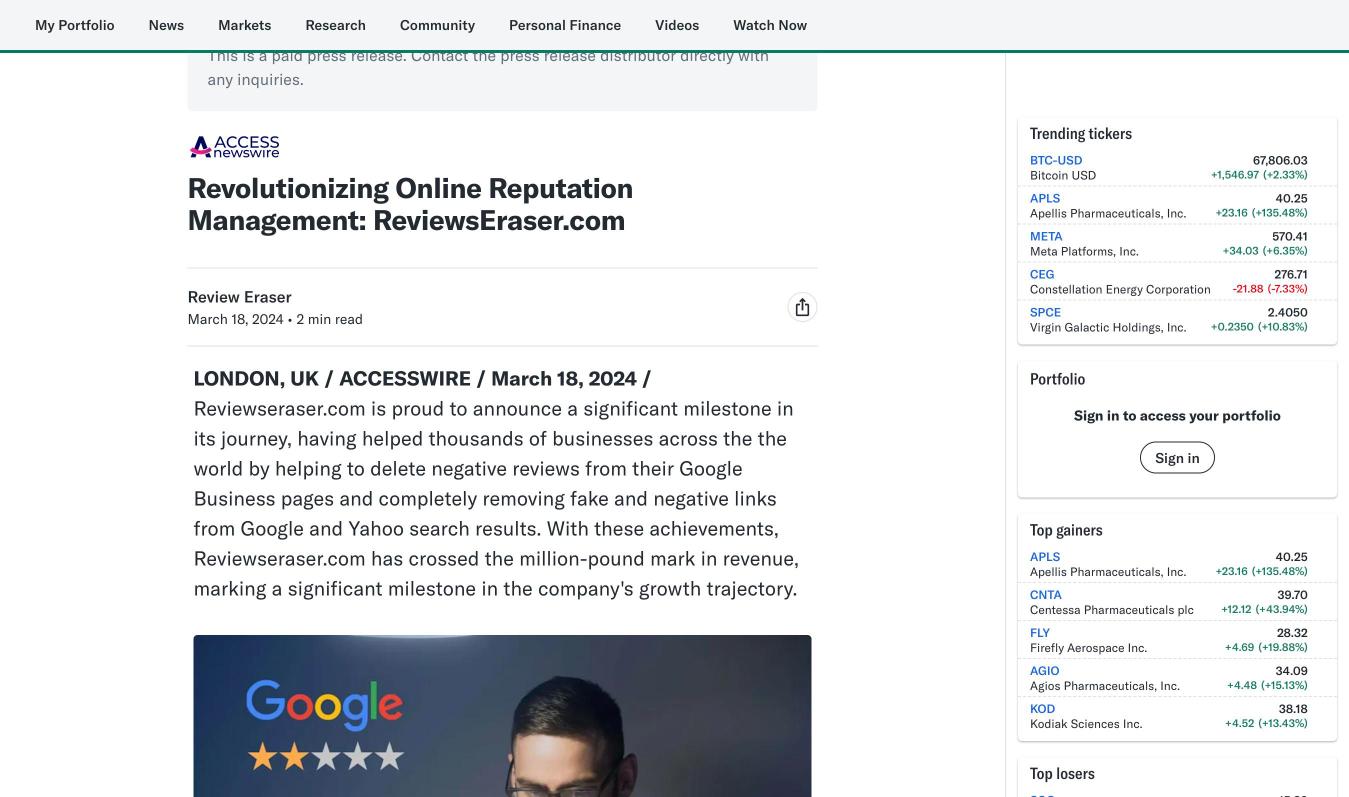
Featured on Yahoo Finance ↗
If you want to build and protect a strong brand, investing in remove Google reviews and manage online reputation is absolutely essential. Today’s consumers rely heavily on reviews before making any purchasing decision, with studies showing that over 80% of people check reviews before choosing a product or service.
Positive reviews act as powerful social proof. They build trust, increase credibility, and encourage new customers to engage with your business. A strong review profile can significantly improve your visibility on Google, helping you rank higher in local search results and attract more traffic.
However, the impact of negative reviews can be just as powerful—if not more. Even a single 1-star review can create doubt in a potential customer’s mind. It can lower your overall rating, damage trust, and reduce conversions instantly.
Take Control: With Reviews Eraser, businesses can remove Google reviews that are harmful, fake, or policy-violating—and even those that do not violate any Google policy—ensuring your rating reflects genuine customer experiences.

If you're dealing with a fake, spiteful, or competitor-planted review — we can likely remove it in 96 hours. Start with a FREE eligibility check.
Check If My Review Can Be Removed — Free →No payment needed · Takes 30 seconds · 100% confidential
Pay only after removal.

Simply provide the link to the unfair review. (Not sure where to find it? Read our guide on how to copy your Google review link). our Google review removal service specialists perform a free eligibility check immediately.

Lock in the promotional rate with a payment. This is 100% refundable if the review is not removed.

We deploy proven legal and strategic methods to have the content erased within 96 hours, regardless of whether it explicitly violates Google's policies.

Once the review is removed, you pay nothing more. Guaranteed removal or 100% refund. Total peace of mind.
100% Guaranteed Removal or Your Money Back.
We operate with complete transparency and zero financial risk. If we don't remove your review, you don't pay the balance.
Pay only after the review is removed.
Every review is removed within 96 hours, backed by our 100% Removal Guarantee — if it isn’t removed, you get a full refund.


We have the scale, the expertise, and the proven track record as the top Google review removal service businesses rely on to fix their digital presence instantly.
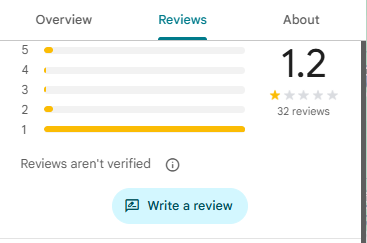
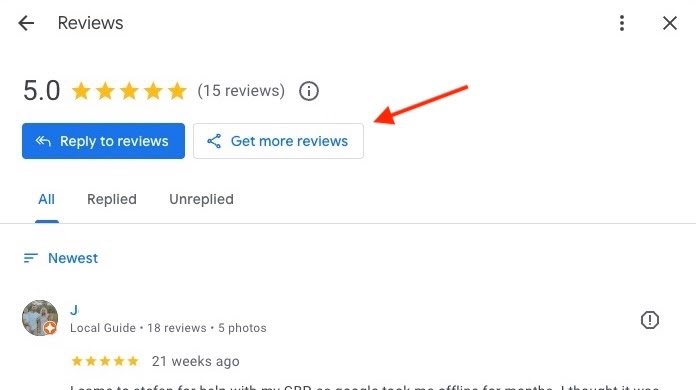
Check out our real-time transformation. A damaging review erased, leaving a sparkling clean profile. Our discreet, specialized removal process achieves these results every single day.
Protecting your brand from negative Google reviews should be a top priority for any business. Consumers today are more savvy than ever, checking reviews before deciding to make a purchase. As a leading provider of business online reputation services, we ensure your brand is seen in the best possible way by removing fake and malicious attacks.
Google reviews act as powerful social proof. When potential customers see consistent, positive feedback, they are far more likely to trust your business. Reviewseraser helps eliminate damaging reviews, allowing your genuine customer experiences to shine and strengthening your overall credibility.
Your Google rating plays a crucial role in how your business ranks in local search results. By removing toxic reviews through Reviewseraser, you can restore your rating, improve click-through rates, and increase your visibility in Google’s Local Pack.
A higher rating doesn’t just look good—it drives real results. Businesses with strong review profiles attract more clicks, more inquiries, and ultimately more conversions. With Reviewseraser, your profile reflects genuine, positive experiences—helping customers confidently choose you.
Removing fake, spammy, or malicious reviews gives you greater control over how your brand is perceived. Reviewseraser ensures that unfair feedback doesn’t define your business, making us the top choice for business reputation management across the world.
Google is the most trusted search platform in the world. When that trust is exploited through fake or malicious reviews, the impact on your business can be immediate—and long-lasting.

Today’s consumers are highly rating-driven. If your profile shows low ratings, potential customers won’t hesitate to choose a competitor with a cleaner reputation. This means lost opportunities and declining conversions—all caused by reviews that may not even be genuine.
Whether you need personal reputation management for your own name, or comprehensive Google My Business reputation management for multiple locations, leaving these reviews unchecked is dangerous. Google does not always verify whether a reviewer has actually interacted with your business, leaving you vulnerable to spam or competitor attacks. While responding helps, it doesn’t remove the stain on your rating.
That’s where Reviewseraser comes in. By permanently removing both policy-violating and non-violating reviews, we help you restore your business image and protect your long-term growth.
Your reputation is built over time—but it can be damaged in moments. The most effective way to protect your business from unfair or fake reviews is to remove them as quickly as possible before they influence potential customers.
When harmful reviews are successfully removed, the impact is immediate. Your star rating improves, your business appears more trustworthy, and your genuine customer experiences take center stage.

With Reviewseraser, you’re not relying on guesswork. Our expert Google review removal service team uses advanced strategies and continuously evolving methods to successfully remove negative reviews with precision—even if they don't violate any specific Google policy. our Google review removal service experience in handling complex cases ensures that your business gets the results it deserves—quickly and discreetly.
In the battle against fake and damaging reviews, Reviewseraser becomes your strongest advantage—helping you take back control of your online presence and protect what you’ve worked so hard to build.
We believe in results, not empty promises. At Reviewseraser, our commitment to your success is transparent:
ReviewsEraser.com removes fake and negative reviews, damaging posts, videos and links from Google, Trustpilot, Yelp, Tripadvisor, Glassdoor, Facebook, YouTube, Reddit and any other website or app — usually within 96 hours, with a 100% money-back guarantee.
Don’t see your platform? We remove reviews, posts and links from any website, forum, news site or app — send us the link for a free check.
Check My Link for Free →As Google's algorithms evolve, the process of removing unwarranted or fake feedback requires expert intervention. Understanding how to navigate the platform's strict guidelines is critical to maintaining a positive business image.
Operating globally, our specialised team understands the nuances of local markets and legal frameworks to effectively erase damaging reviews that threaten your foot traffic and online sales, wherever you are based. If the review is on an employer-review site, see our Glassdoor review removal service.
We don't just temporarily hide reviews; our focus is on complete, permanent deletion. By utilizing our specialized removal methods, we ensure that toxic feedback is scrubbed from your profile forever, even if it doesn't explicitly break Google's rules.
Time is money. A 1-star review left unchecked can rapidly deter potential customers. Our 96-hour removal turnaround helps you restore your 5-star reputation fast before significant damage occurs.
Google Maps is vital for local visibility. Fake reviews here can plunge your local ranking. We specialise in cleaning up Maps listings so your business can dominate local search results again.
When potential customers search for your services, your Google Business Profile is the first thing they see. An influx of unfair, malicious, or entirely fake 1-star reviews can devastate foot traffic, online conversions, and trust. Understanding exactly how to remove a Google review in 2026 is critical for local SEO and ongoing revenue generation.
Search engines prioritise businesses with high aggregate ratings and authentic positive feedback. A cluster of fake 1-star reviews signals a drop in quality to Google's algorithm, pushing your business further down the Maps pack and standard search results. In a competitive market, falling off the first page due to competitor sabotage or a disgruntled ex-employee is a costly risk. Protecting your rating isn't just about pride—it is foundational to search engine visibility.
Yes. If you are wondering how to remove a 1-star review from GMB legally, Google has strict content policies against spam, conflict of interest, harassment, and defamation. If a review violates these guidelines, it is eligible for permanent erasure. At ReviewsEraser, our legal and policy specialists bypass the standard automated flagging system. We submit detailed, evidence-backed removal requests directly to internal teams, ensuring toxic content is scrubbed rapidly and permanently.
If you are constantly battling these attacks, you need dedicated online reputation management services. Our 96-hour removal service guarantees your brand’s integrity is restored instantly. We strictly operate on a "No Win, No Fee" basis—meaning you face absolutely zero risk while we secure your digital footprint.
Before hiring a professional Google review removal service, you can attempt to remove a review yourself using Google's built-in tools. However, keep in mind that Google relies heavily on automated systems, and a manual request is only successful if the review explicitly violates their restricted content policies.
Here are the steps to report a review yourself:
Once submitted, you might wonder how many reports it takes to remove a Google review. The truth is, Google typically takes between 3 to 5 business days to assess a single report, and mass-reporting from fake accounts can actually hurt your case.
Professional Insight: If your manual request is denied or ignored after 5 days, the review is "stuck." This is where our specialist team steps in. We bypass the automated system and submit detailed, evidence-backed legal requests directly to internal Google teams to ensure the review is permanently erased within 96 hours.
Expert guides on removing negative, fake and harmful reviews from Google, Glassdoor, Trustpilot, Airbnb and more.
What employers can and can’t do about Glassdoor reviews, which ones can be removed, and the fastest way to get them taken down.
Read the guide →
The complete step-by-step guide to flagging, escalating and permanently removing a Google review that hurts your business.
Read the guide →
The grounds Trustpilot accepts, the exact flagging steps, and what to do when Trustpilot refuses to remove a review.
Read the guide →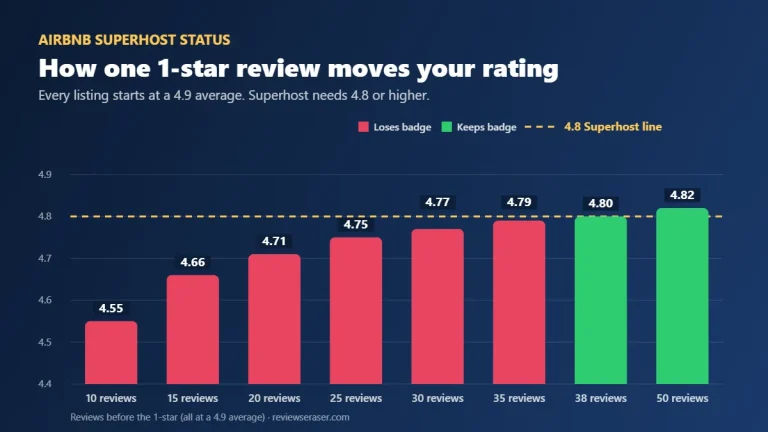
How many bad reviews can cost you the Superhost badge, and how one 1-star review moves your Airbnb rating.
Read the guide →12 Bond St, London W1S 4PW, UK
Mon-Sun: 24/7 Support
1,542,894+ toxic reviews permanently erased worldwide. Here's what our clients experienced.
"Had a fake 1-star review damaging our clinic for months. ReviewsEraser removed it in under 10 hours. Absolutely incredible service — our rating went from 3.8 back to 4.9."
"A competitor left us 7 fake reviews. ReviewsEraser had all of them wiped within 96 hours. The payment was worth every penny — saved our 5-star reputation."
"Thought it was too good to be true. But they removed a defamatory review that Google had rejected twice. Professional, discreet, and worth every pound. 100% recommended."
No win, no fee — 100% refund if not removed.
Studies show 94% of consumers avoid businesses with negative reviews. Start removal in the next 60 seconds.
No Win, No Fee · 100% Refundable Deposit · Results in 96 Hours
Yes. ReviewsEraser specialises in permanently removing any Google review in 96 hours for businesses worldwide. We identify and remove all types of damaging feedback. We don't only remove reviews that violate Google's policies; we also remove Google reviews that do not violate any Google policy.
ReviewsEraser delivers results in as little as 96 hours — far faster than the standard 3–5 business day wait when reporting reviews directly to Google yourself. Once you submit your review link and pay the payment, our Google review removal service team begins work immediately.
Payment is made upfront. If we cannot remove the review within 96 hours, you receive a full 100% refund. If we cannot remove the review, your payment is fully refunded.
Yes. Once a review is removed by Google it is gone permanently. The reviewer is not notified that it was removed, and they cannot repost the same review. ReviewsEraser uses highly effective removal methods, meaning the deletion cannot be reversed.
No. The reviewer is never notified that their review was removed or flagged. The process is entirely confidential. Your business details and identity are also GDPR-protected and never shared.
We specialise in removing all types of reviews. We don't only remove reviews that violate Google's policies; we also remove Google reviews that do not violate any Google policy. Whether it's competitor sabotage, a fake claim, or a real customer review, we can permanently remove it in 96 hours.
Yes. If ReviewsEraser cannot successfully remove the review, your payment is refunded in full. If we do not remove the review, you get a full 100% refund. This is our 100% risk-free guarantee.
Yes. Google reviews appear on both Google Search and Google Maps. When we remove a review, it disappears from both platforms simultaneously, instantly improving your star rating and local SEO ranking.
Yes. A negative review can be removed — and with ReviewsEraser.com it doesn’t have to break Google’s rules first. We remove any type of negative review, including fake, unfair, outdated and competitor reviews, usually within 96 hours. Send us the review link for a free check, and if we can’t remove it you get a 100% refund.
You can’t pay Google to delete a review, but you can pay a professional removal service to handle it for you. ReviewsEraser.com charges a fixed price per review, never asks for your Google login and removes the review within 96 hours. Payment is protected by our 100% Removal Guarantee — if the review stays, you get your money back.
At ReviewsEraser.com you pay one fixed price per review — no contracts, no monthly fees and no hidden costs. You see the exact price before checkout, the eligibility check is free, and every order is covered by our 100% Removal Guarantee, so you only keep paying for reviews that are actually removed.
The fastest way is to let a specialist do it. Paste the review link into the form on ReviewsEraser.com, get a free check, and our team removes the review — most within 96 hours. Reporting it to Google yourself can take weeks and is often rejected; we handle the whole process for you, confidentially and with a full refund if it isn’t removed.
An online reputation management (ORM) service protects how your business looks online. The most direct part of it is removing the negative, fake and harmful reviews and links that drive customers away. ReviewsEraser.com focuses on exactly that: we remove damaging reviews and links from Google and other platforms, usually within 96 hours, so your profile reflects your real reputation.
Many reputation management agencies charge monthly retainers and lock you into long contracts. ReviewsEraser.com works differently: you pay one fixed price per review or link, with no contracts and no monthly fees. You see the price before checkout, the first check is free, and our 100% Removal Guarantee means you get a full refund if the review is not removed.
With ReviewsEraser.com it takes three steps. You paste the link to the negative review, we check it for free and confirm the price, and our team removes it, usually within 96 hours. We never need your login or password, and your star rating updates automatically once the review is gone.
A professional Google review removal service works when it has a proven process and a real guarantee. ReviewsEraser.com has removed 4,500+ reviews with a 98% success rate, most within 96 hours. Because of our 100% Removal Guarantee, you only end up paying for results.
Yes. Harmful reviews, including false claims, defamatory statements, personal attacks, fake reviews from competitors and reviews from people who were never customers, can be removed. ReviewsEraser.com is a harmful review removal service: send us the link and we check it for free, then remove it, usually within 96 hours.
Yes. Hiring a professional review removal or online reputation management service is legal, just like hiring a marketing or PR agency. ReviewsEraser.com works confidentially, never asks for your passwords, and charges one fixed price per review, backed by our 100% Removal Guarantee.
ReviewsEraser.com removes reviews and links from almost any platform, including Google Reviews and Google Maps, Trustpilot, Yelp, Glassdoor, Tripadvisor, Facebook, Airbnb, Reddit and Instagram. If your platform is not listed, send us the link and we will confirm for free whether we can remove it.
Look for four things: a fixed price instead of a monthly retainer, a clear removal time, a money-back guarantee, and no request for your account password. ReviewsEraser.com offers all four: one fixed price per review, removal usually within 96 hours, a 100% Removal Guarantee and no login needed.
No complicated steps or confusing forms. Just paste the link to your negative review below.
Home's business community faces online reputation risks that are uniquely shaped by its economic structure, digital adoption patterns, and competitive dynamics. Businesses operating across borders—whether in professional services, tourism, technology, or trade—depend on Google reviews as a primary trust signal for clients and partners who cannot verify local reputation through personal networks. A coordinated campaign of fake negative reviews can undermine years of relationship-building in a matter of days, particularly when reviews arrive from accounts that appear geographically distant and are therefore less likely to be challenged by other reviewers who know the business.
Google Maps has become the dominant reputation layer for businesses in Home operating in internationally competitive markets. The platform's review algorithm surfaces ratings prominently in search results, local pack listings, and Knowledge Panels—meaning that a single-star drop from 4.6 to 4.1 can materially shift click-through rates and conversion from search. For businesses whose clients arrive primarily through digital channels, the Google rating is not a secondary signal: it is frequently the last piece of information a prospect checks before initiating contact or making a booking.
Under the laws of Home, false statements that damage a business's commercial reputation may be actionable as defamation or unfair competition. However, domestic legal remedies against anonymous online reviewers are slow, expensive, and rarely pursued before exhausting Google's own policy removal process. The most cost-effective first step for any Home business facing fake or malicious reviews is a systematic policy analysis: identifying which of Google's published content policies each review violates, and building the evidence record needed to support a removal request.
Businesses operating in Home encounter Google review challenges shaped by the established local market in healthcare, legal and financial services. The legal framework in Home follows a mixed civil and common law system, which determines what options a business has once a standard Google policy report fails. Under that framework, businesses may apply to courts for orders compelling Google to remove defamatory content â particularly where a review makes demonstrably false statements of fact causing measurable reputational or commercial harm. That legal route is available, but it is slow and expensive; the preferred first step is always a well-constructed policy submission.
Home businesses most commonly encounter off-topic complaint reviews as their primary review problem. These cases are rarely resolved by the standard flagging interface, because that interface invites a category selection, not a structured argument. Google's moderation team is designed to process structured policy submissions â submissions that name the specific provision breached, explain why the review falls within it and provide supporting evidence. A category selection alone rarely succeeds in genuinely disputed cases.
Google operates a centralised moderation system. There are no country-specific moderation teams for Home, and no expedited queues for local businesses with high commercial impact. Every report from Home enters the same global queue as a report from any other country. The practical consequence is that speed of resolution depends entirely on how clearly the submission presents the policy case â not on the seriousness of the harm to the Home business.
When a Home business submits a report through Google's standard flagging tool, the submission is assessed by the system against the specific provision selected. If the system cannot match the review to that provision, the report is declined with a form response. No human reviewer reads a detailed explanation of harm in Home because no field for detailed explanation exists in the standard interface. Reviews Eraser works outside that interface by submitting structured written arguments through channels that reach human reviewers â the same escalation paths used by legal representatives and enterprise clients.
The pattern is consistent across every market: a Home business receives a review that is demonstrably false or violates Google's policies, submits a flag, and receives a declined response within days. At that point, the business faces a choice between accepting the review's continued presence or finding a more effective submission route.
Reviews Eraser reads every review against the complete text of Google's policies and identifies the specific provision that applies, if any. We then write a structured submission presenting that argument in the form Google's moderation team is designed to process. For Home businesses affected by off-topic complaint reviews, this produces materially better removal rates than the standard interface. Where the first submission is declined, we escalate. Where escalation fails, we explain what legal remedies remain available under a mixed civil and common law system law in Home.
Home operates under industry-specific licensing requirements, which means that businesses in this market already have compliance requirements affecting how they communicate with clients and manage reputational risk. A harmful Google review in Home can trigger industry-specific licensing requirements reporting obligations for certain regulated sectors â not just reputational harm but administrative consequences. This makes timely removal more valuable in Home than in markets without equivalent regulatory frameworks.
Beyond regulatory exposure, a false review affects a Home business's local search ranking, click-through rate from Google Maps and the conversion rate of anyone researching the business before making a purchase decision. The combined commercial impact â lost enquiries, lost conversions, management time spent responding â typically far exceeds the cost of professional removal assistance.
Google review removal takes between seven and sixty days depending on whether escalation is required. During that period, a Home business can take steps to reduce the review's commercial impact. Generating additional genuine reviews from satisfied clients reduces the statistical weight of a single false review. A measured, factual business response signals to prospective clients that the business has addressed the matter. Ensuring that all other local SEO signals â Google Business Profile completeness, website content, citation consistency â are optimised reduces the proportion of potential clients who see the false review before seeing strong positive signals.